
Short skirts became common in the 1960s during the rise of the mod fashion movement. Mary Quant popularized the miniskirt in London.
Short skirts represent a significant shift in fashion history. The 1960s saw a revolution in clothing styles, with miniskirts symbolizing freedom and youth. Mary Quant, a British designer, is credited with bringing the miniskirt to mainstream fashion. This new trend quickly spread across the globe, embraced by young women seeking to break free from traditional norms.
The miniskirt became a statement of rebellion and empowerment. Today, short skirts remain a popular choice, symbolizing both style and liberation. This fashion evolution reflects broader social changes and the ongoing quest for self-expression.
Early History
Short skirts have been around longer than many might think. They have evolved over centuries, reflecting societal changes and cultural influences. Let’s take a look at the early history of short skirts.
Ancient Times
In ancient times, short skirts were not uncommon. Many cultures had practical reasons for shorter garments. In ancient Egypt, for example, both men and women wore linen skirts. These skirts were often knee-length, providing comfort in the hot climate.
The ancient Greeks also embraced shorter tunics. These tunics, known as chitons, were often worn by young men and warriors. They allowed for ease of movement and were practical for physical activities.
Middle Ages
During the Middle Ages, short skirts became less common. The period saw a shift towards more modest clothing, influenced by religious and social norms. Women wore long dresses, often with layers and intricate details.
Men, on the other hand, sometimes wore shorter garments. These included tunics that reached just above the knee. These tunics were practical for daily activities and labor.
In some regions, shorter skirts for men signified status. Knights and noblemen wore shorter tunics with pride, showcasing their rank and wealth.
| Period | Garments | Reason |
|---|---|---|
| Ancient Egypt | Linen skirts | Comfort in hot climate |
| Ancient Greece | Chitons | Ease of movement |
| Middle Ages | Tunics | Daily activities and labor |
Short skirts have a long and varied history. They have been influenced by many factors, including practicality, status, and cultural norms.

Credit: www.seacoastonline.com
20th Century Beginnings
The 20th century marked a dramatic shift in fashion. Short skirts began to emerge and challenge traditional norms. Their popularity grew through various decades, influenced by social changes and historic events.
1920s Fashion
The 1920s was a revolutionary time for women’s fashion. The Flapper style introduced shorter hemlines and a sense of freedom. Women embraced knee-length skirts and dropped waistlines. These styles symbolized a break from the Victorian era.
The rise of jazz music and dance clubs also influenced this trend. Women wanted to move freely and express themselves. The Roaring Twenties was a period of liberation and self-expression.
World War Ii Impact
World War II had a significant impact on fashion. Fabric rationing led to shorter skirts. Women took on more roles in workplaces and needed practical clothing. Utility clothing became popular, featuring shorter hemlines for practicality.
Post-war, the fashion industry saw a resurgence. Designers experimented with new styles and materials. The war’s end brought a desire for change and innovation. Short skirts became a symbol of the modern woman.
The Mini Skirt Revolution
The 1960s saw a fashion transformation with the rise of the mini skirt. This bold garment symbolized freedom and youth. The mini skirt sparked a revolution in women’s fashion. But how did it become so popular?
1960s Trendsetters
The mini skirt became famous because of some iconic trendsetters. British designer Mary Quant is often credited with popularizing it. She designed skirts that ended well above the knee. These skirts were both daring and fashionable.
Another influential figure was André Courrèges. This French designer also embraced short skirts. He introduced them in his 1964 collection. These designers created a new fashion wave. The mini skirt was soon everywhere.
Cultural Shifts
The 1960s was a time of major cultural shifts. Women were seeking more freedom and expression. The mini skirt became a symbol of this change. It represented a break from traditional fashion norms.
Media also played a key role. Magazines and TV shows featured women in mini skirts. This helped spread the trend quickly. Young women saw these styles and wanted to join the movement.
| Year | Event |
|---|---|
| 1964 | Mary Quant introduces the mini skirt |
| 1964 | André Courrèges features mini skirts in his collection |
The mini skirt revolutionized fashion. It was more than just a trend. It was a symbol of change and freedom for women.

Credit: www.facebook.com
Iconic Designers
The rise of the short skirt in the fashion world owes much to iconic designers. These visionaries dared to challenge norms and revolutionize styles. Two names stand out: Mary Quant and André Courrèges. They played pivotal roles in making short skirts fashionable and mainstream.
Mary Quant
Mary Quant is often credited with popularizing the mini skirt in the 1960s. Her designs were youthful, vibrant, and revolutionary. She believed that fashion should be fun and accessible.
- 1964: Quant introduced the mini skirt to the world.
- London: The city became the epicenter of this fashion trend.
- Influence: Her designs inspired women to embrace their freedom.
Quant’s boutique, Bazaar, became a hotspot for the fashionable youth. Her designs allowed women to express themselves with confidence and joy.
André Courrèges
André Courrèges, a French designer, also played a significant role. He introduced short skirts in his 1964 collection. Courrèges’ designs were futuristic and sleek.
- 1964 Collection: Showcased innovative short skirts.
- Materials: Used fabrics like PVC and metallics.
- Style: Combined short skirts with go-go boots.
Courrèges’ approach to fashion was bold and modern. His work pushed the boundaries of traditional fashion, making short skirts a symbol of modernity and liberation.
Both Mary Quant and André Courrèges were instrumental in making short skirts a global phenomenon. Their innovative designs continue to inspire fashion today.
Media Influence
The media has played a significant role in popularizing short skirts. Over the decades, various forms of media have contributed to making short skirts a fashion staple. Below, we explore the influence of Hollywood, television, and music on this trend.
Hollywood’s Role
Hollywood has always been a trendsetter in fashion. In the 1960s, iconic actresses like Audrey Hepburn and Brigitte Bardot wore short skirts in popular films. These actresses made short skirts look stylish and classy. Their influence reached millions of viewers worldwide.
In the 1990s, films like “Clueless” featured characters in short skirts. This film became a cultural phenomenon. The character Cher, played by Alicia Silverstone, wore short skirts in many scenes. Her outfits were copied by many teens and young women.
The red carpet has also been a showcase for short skirts. Celebrities often wear short skirts to premieres and award shows. These appearances are widely covered by the media. This keeps short skirts in the public eye.
Television And Music
Television shows have had a huge impact on fashion trends. In the 1970s, shows like “Charlie’s Angels” featured characters in short skirts. These characters were seen as strong and independent women. This portrayal helped to normalize short skirts.
In the 1990s, shows like “Friends” and “Sex and the City” featured characters in fashionable short skirts. These shows were extremely popular. The characters’ styles were emulated by many viewers. This further cemented the popularity of short skirts.
The music industry has also played a role. Music videos often feature artists in short skirts. Pop stars like Madonna and Britney Spears have worn short skirts in their videos. These music videos are watched by millions of fans. This exposure has a big influence on fashion trends.
| Media Type | Influence |
|---|---|
| Hollywood | Films and red carpet events popularize short skirts. |
| Television | Shows like “Charlie’s Angels” and “Friends” feature short skirts. |
| Music | Music videos by pop stars showcase short skirts. |
Social Movements
The adoption of short skirts is closely tied to major social movements. These movements reshaped societal norms and fashion trends. Understanding these changes helps us appreciate the evolution of short skirts.
Women’s Liberation
The Women’s Liberation Movement played a crucial role. In the 1960s and 1970s, women fought for equal rights. This included the right to dress freely.
Short skirts became a symbol of freedom and independence. They allowed women to express themselves. This era saw a shift from conservative to more liberal fashion choices.
Key Points:
- 1960s and 1970s
- Equal rights for women
- Freedom of expression
- Shift to liberal fashion
Youth Culture
Youth culture also influenced the rise of short skirts. The 1960s brought a wave of young people who wanted change. They rejected the older generation’s conservative style.
Mini skirts became popular among the youth. Designers like Mary Quant introduced them. These skirts represented rebellion and a fresh start.
Important Aspects:
- 1960s Youth Movement
- Mary Quant’s influence
- Rebellion against older styles
- Mini skirts as a fresh start
These social movements show why short skirts became common. They reflect a desire for freedom and change.
Global Adoption
The rise of short skirts in fashion has a fascinating history. This trend began in the West but soon spread across the globe. Different cultures embraced it in unique ways, leading to its global adoption.
Western Influence
The short skirt trend started in the 1960s. Designers like Mary Quant popularized the mini skirt. It symbolized freedom and rebellion against conservative norms. The youth eagerly adopted this bold fashion statement.
Hollywood celebrities also played a significant role. Stars like Twiggy and Audrey Hepburn wore short skirts in movies and public appearances. Their influence made short skirts more acceptable and desirable.
International Trends
Short skirts quickly spread to other parts of the world. In Japan, the trend took off in the 1990s with the rise of “kogal” culture. Young women wore mini skirts as a sign of modernity and independence.
In South Korea, the mini skirt became part of the “K-pop” scene. Female idols wore short skirts during performances and music videos. This made the trend popular among young fans.
European countries also embraced the mini skirt. In France, fashion designers incorporated short skirts into their collections. Italian women wore them as a symbol of elegance and style.
Here’s a quick summary of the global adoption of short skirts:
| Region | Decade | Influence |
|---|---|---|
| Western Countries | 1960s | Mary Quant, Hollywood Celebrities |
| Japan | 1990s | Kogal Culture |
| South Korea | 2000s | K-pop |
| Europe | 1960s-1980s | Fashion Designers |
Modern Day
In the modern day, short skirts are a staple in many wardrobes. They have become a symbol of fashion and freedom. This section explores the current fashion trends and cultural significance of short skirts.
Current Fashion
Short skirts are trendy and versatile. Many people wear them in different styles and settings.
- Casual wear: Paired with t-shirts or blouses.
- Office wear: Styled with blazers and formal tops.
- Evening wear: Matched with elegant tops and accessories.
Fashion designers often include short skirts in their collections. Popular materials include denim, cotton, and leather. Short skirts are also available in various patterns and colors.
Cultural Significance
Short skirts symbolize freedom and individuality. They are often associated with youth and energy.
| Culture | Significance |
|---|---|
| Western | Expression of personal style |
| Eastern | Modernization and influence of global trends |
Short skirts have also been a part of social movements. For example, the 1960s mini-skirt revolution. They are now a symbol of empowerment for many women.
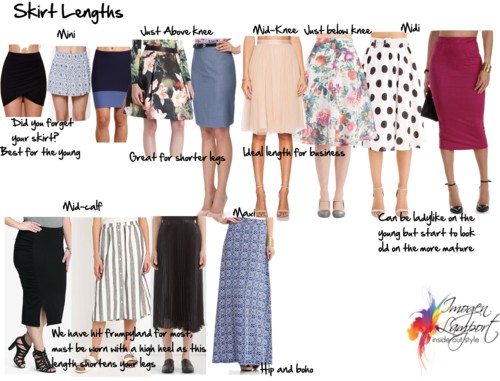
Credit: insideoutstyleblog.com
Conclusion
Short skirts have evolved significantly over time. They reflect changing societal norms and fashion trends. From the 1960s to now, they remain a bold statement. Understanding their history helps appreciate their cultural impact. Embrace the style that feels right for you.
Fashion is, after all, a personal expression of individuality.


Leave a Reply