
To extend the lifespan and maintain the quality of your tops, it is essential to use gentle washing cycles and proper drying techniques. Store them correctly to prevent damage and preserve their shape.
Caring for your clothing is crucial in keeping your wardrobe in top condition for longer periods. A well-maintained collection of tops doesn’t just save money over time, but it also ensures that your favorite pieces remain as vibrant and well-fitted as the day you bought them.
The key to achieving this lies in the way you wash, dry, and store your garments. Each step matters and plays a pivotal role in sustaining fabric integrity and appearance. Gentle detergents, cold water washes, and avoiding harsh mechanical movements during cleaning are just the start.
Equally important are the subsequent drying and storage methods – from using the right heat settings to embracing space-saving hangers or organizers that keep clothes uncreased and ready to wear. Following these straightforward but effective practices will help you get the most out of your wardrobe.
Maximizing Wardrobe Longevity

We want our clothes to last longer and stay looking fresh. Taking care of tops requires more than just a standard wash and dry. With the right approach, anyone can transform their wardrobe care routine. Let’s dive into how to maximize the longevity of every piece you own.
Mindful Purchasing Habits
Quality tops begin with smart buying choices. Choose fabrics known for durability. Cotton, linen, and wool are great options. Avoid buying too many trendy items. Focus on timeless pieces that match well with other clothes. Look for solid stitching and well-made seams. This ensures pieces can endure many washes.
Inspect clothing before purchase. Check for loose threads or weak spots in fabric. This prevents future problems. Aim for a versatile wardrobe that reduces the need for constant laundry. Clothes last longer when they are washed less often.
Reading Care Labels
Clothes come with guidelines for a reason. Following label instructions is crucial.
Care labels guide washing temperatures, drying procedures, and ironing settings.
| Action | Reason |
|---|---|
| Wash in cold water | Prevents shrinking and color fading |
| Tumble dry low or air dry | Keeps fabric from wearing out |
| Iron on correct setting | Prevents heat damage |
Always sort your laundry. Separate colors from whites and delicate fabrics from heavy ones. This reduces wear and tear and color transfer.
Understand symbols on care labels. They give precise washing, drying, and ironing instructions. This helps maintain quality and appearance. Store tops correctly after washing. Hang or fold them neatly to avoid wrinkles and damage. Use hangers for structured tops and shelves for knitted ones.
Spotless Soaking Strategies
Welcome to the section on Spotless Soaking Strategies! Proper washing and drying techniques are key. They help your tops stay vibrant and last longer. This guide covers effective soaking methods. These ensure your garments emerge spotless and well cared for every time.
Choosing The Right Detergent
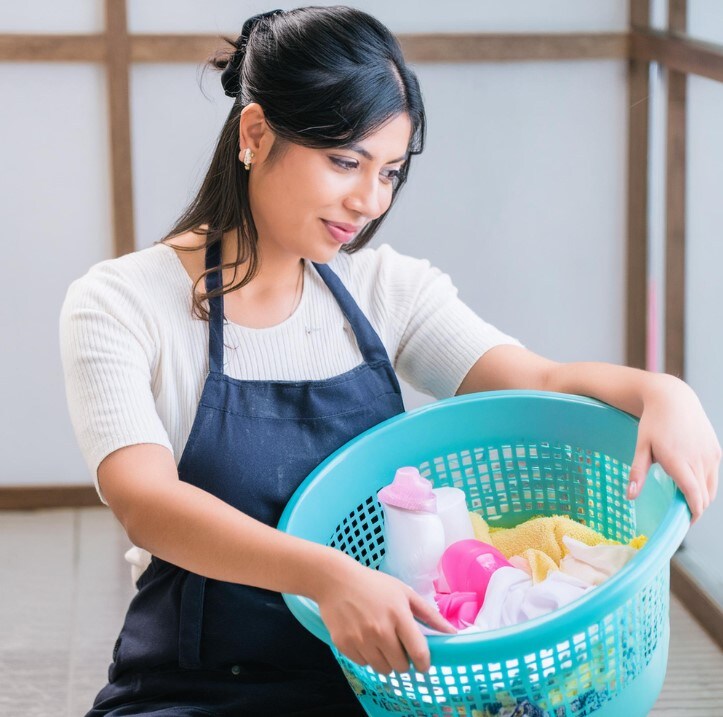
Selecting a suitable detergent is crucial for spotless soaking. Follow these tips:
- Read the fabric care label on your tops.
- Choose a detergent designed for the fabric type.
- Opt for mild detergents for delicate materials.
- Use detergents without harsh chemicals to prevent damage.
| Fabric Type | Detergent Type |
|---|---|
| Cotton | Standard |
| Delicates | Mild |
| Synthetics | Color/Synthetic specific |
Handwashing Vs. Machine Washing
Choosing between handwashing and machine washing affects your top’s lifespan. Use these guidelines:
- Always handwash delicate tops to prevent damage.
- Machine wash durable fabrics on a gentle cycle.
- Zip up and button up your tops before washing to avoid snags.
- Turn colorful or printed tops inside out to prevent fading.
For handwashing:
- Fill a basin with lukewarm water and add detergent.
- Submerge the tops and gently agitate with your hands.
- Rinse thoroughly without wringing to maintain shape.
For machine washing:
- Sort your tops by color and fabric type before washing.
- Select a gentle cycle with a low spin setting.
- Remove tops promptly after the cycle to avoid creases.
The Art Of Stain Removal
Knowing how to tackle stains on tops keeps them looking fresh and extends their lifespan. Quick action is crucial when a spill happens. Let’s dive into the effective methods for stain removal.
Natural Stain Treatments
Natural remedies are safe and often as effective as commercial options. They are also eco-friendly and gentle on fabrics.
- Baking soda and water make a paste that lifts stains.
- Lemon juice acts as a natural bleach for light fabrics.
- White vinegar tackles tough stains and odor.
Apply these treatments by gently rubbing them onto the stain. Let it sit before washing the top as usual.
Commercial Stain Removers
There is a wide range of commercial stain removers available. Always follow the instructions on the label.
| Stain Type | Commercial Remover | Application |
|---|---|---|
| Oil-based | Pre-treatment sticks | Apply and wait 5 minutes |
| Protein-based | Enzyme cleaner | Soak for 30 minutes |
| Tannin stains | Stain-removing sprays | Spray directly and launder |
Test the product on a small, hidden area first. Some fabrics may not react well to certain chemicals.
Efficient Drying Techniques
Efficient drying techniques are as crucial as washing for maintaining the quality and shape of tops. Proper drying not only preserves the fabric but also extends the lifespan of the clothing. Understanding how to dry different types of tops can make a big difference. Let’s dive into the best methods to keep your garments looking their best.
Air-drying To Maintain Shape
Some fabrics need gentle care to keep their shape. Air-drying is often the safest way. Lay the tops flat on a clean, dry towel to avoid stretching. For tops that can hang, use wide-shouldered hangers to prevent misshaping. Position them in a well-ventilated area away from direct sunlight, which can fade colors.
- Choose a shaded area: Direct sunlight can damage fabric.
- Flat dry sweaters: Prevent stretching by drying flat.
- Use appropriate hangers: Prevent hanger bumps and maintain shape.
The Do’s And Don’ts Of Machine Drying
Machines offer a quicker drying option. Yet, high heat can cause shrinking and fabric damage. Always check clothing labels for machine drying instructions. Choose a low heat setting for most materials. Special fabrics like silk or wool might need to air dry instead.
| Do’s | Don’ts |
|---|---|
| Check labels for instructions | Use high heat for all fabrics |
| Use dryer balls for softness | Overload the dryer |
| Empty the lint filter | Ignore noises or vibrations |
Folding And Hanging How-to’s
Welcome to the ‘Folding and Hanging How-To’s’—a vital part of garment care most overlook. Mastering these techniques is a game-changer for your wardrobe. Let’s jump straight into the essentials of clothing care.
Proper Folding Methods
Folding tops correctly can prevent wrinkles and save space. Follow these steps:
- Lay the top face down on a flat surface.
- Fold the sleeves inward to create a straight line down the sides.
- Fold the top vertically, bringing the bottom hem up to meet the collar.
- Smooth out any wrinkles with gentle hand presses.
Folding heavier tops or knits may differ:
- Place thick garments onto the surface.
- Roll them carefully instead of folding to avoid crease lines.
A tidy drawer involves organization:
| Garment | Folding Technique |
|---|---|
| T-shirts | Classic fold |
| Sweaters | Rolling method |
| Tank tops | Layered stack |
Selecting Suitable Hangers
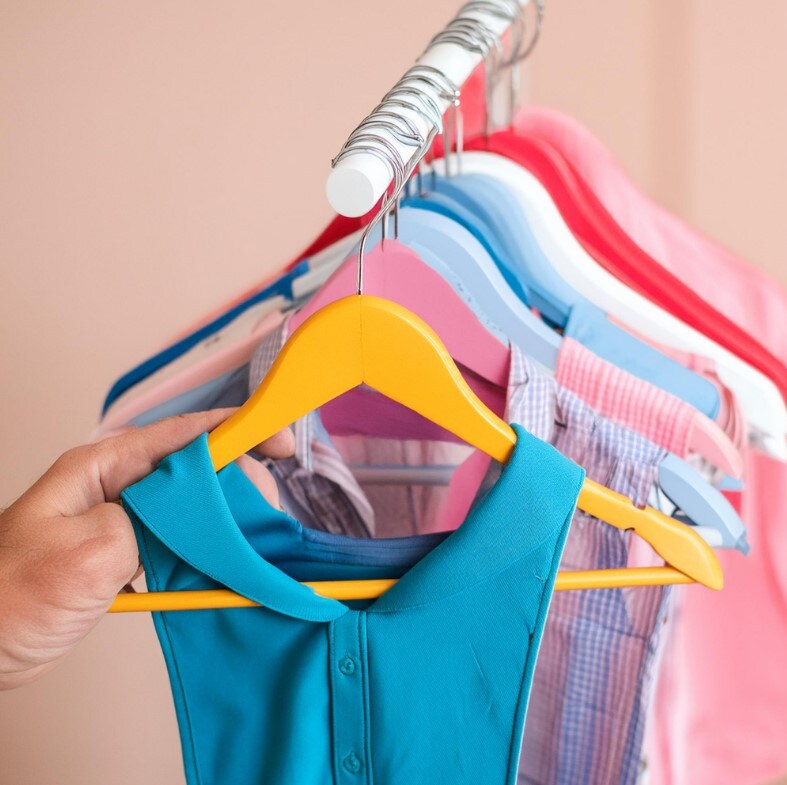
The right hanger keeps clothes in shape and prevents damage:
- Wooden hangers are sturdy, and ideal for heavy tops like jackets.
- Padded hangers suit delicate fabrics, avoiding hanger marks.
- Notched hangers work well for tops with straps, keeping them in place.
To avoid misshaping:
- Always choose a hanger that fits the garment’s shoulders.
- Ensure hangers are clean and smooth, with no rough edges.
No stretching or sagging means tops stay flattering for longer. Storing tops right is as important as the washing and drying process. Use these folding and hanging tips to guarantee your clothes last and look their best.
Ironing Without Damage
Ironing Without Damage can feel tricky, but it’s crucial for keeping tops looking great. Applying high heat directly can harm fabrics. There are easy ways to preserve clothes during ironing. Knowing the right heat settings and using protective aids makes all the difference.
Appropriate Heat Settings
Selecting the correct temperature for different fabrics prevents damage. Always check the label on your clothing for guidelines.
- Silk and wool require a low setting.
- Cotton and linen can handle higher heat.
- Synthetics need a gentle, warm setting to avoid melting.
Protective Ironing Aids
Using ironing accessories helps protect clothes from direct heat. Choices like press cloths and ironing sheets act as barriers.
| Ironing Aid | Purpose | How it Protects |
|---|---|---|
| Press Cloth | Adds a layer between iron and fabric | Prevents scorching and shiny marks |
| Ironing Sheet | Allows steam through while guarding fabric | Shields delicate fabrics from direct heat |
| Iron Shoe | Attaches to iron | Evenly distributes heat, avoids burns |
Iron smart to keep clothes in top condition. Match the heat to the fabric and use protectors for best results. Tops will look better and last longer.
Smart Storage Solutions
Congratulations on mastering the art of washing and drying your tops. Now, let’s ensure they stay in tip-top shape with intelligent storage methods. Proper storage extends the lifespan of your clothes and maintains their quality. Dive into climate-controlled conditions and how to keep moisture and pests at bay.
Climate-controlled Conditions
Keeping clothes fresh requires thinking about the air around them. Here’s a quick guide to creating the perfect environment for your tops:
- Avoid sunlight: Store clothes in a dark place.
- Consistent temperature: Cool, not cold or hot, is ideal.
- Breathable containers: Let your garments breathe.
Avoiding Moisture And Pests
Maintaining a dry closet is crucial. Here are tips to keep the enemies of your clothes at bay:
- Silica gel packets: Pop them in drawers to absorb dampness.
- Regular cleaning: This will discourage pests.
- Natural repellents: Consider cedar blocks over chemicals.
Seasonal Considerations
Tops can last longer with proper seasonal care. Learn to switch, wash, dry, and store them right. Warm summers to chilly winters, each season needs a strategy. Doing so saves threads and bucks. Below are wise ways to treat tops, ensuring they remain in prime condition year-round.
Rotating Wardrobe Seasonally
As seasons shift, so should your wardrobe. Keeping off-season tops stored away helps avoid unnecessary wear. It’s easy, see how:
- Clean tops before stowing them. Dirt can cause damage over time.
- Choose the right containers. Breathable boxes or bags protect fabrics.
- Place in a cool, dark spot to fend off fading and fiber breakdown.
Special Care For Occasion Wear
Festive or formal, occasion wear needs special attention. Here’s how to treat these treasures:
- Always inspect for spots or stains. Prompt treatment preserves quality.
- Hand wash or use a delicate cycle for gentle cleansing.
- Hang or lay flat to dry. Heat can harm delicate fibers.
- Store in garment bags. They safeguard against dust and discoloration.
| Season | Washing | Drying | Storing |
|---|---|---|---|
| Spring | Gentle wash with mild detergent | Air dry under mild sun | Use breathable cotton covers |
| Summer | Wash bright colors inside out | Tumble dry on low heat | Keep in dark, cool places |
| Fall | Spot treat sensitive materials | Hang dry to preserve shapes | Stack neatly to avoid wrinkles |
| Winter | Heavier fabrics may need extra soak | Dry thoroughly to avoid dampness | Store in sturdy, stackable bins |
Conclusion
Caring for your tops goes beyond simple washing. Implement the techniques we’ve discussed, and you’ll see a notable difference. Properly washed, dried, and stored garments maintain their shape, color, and texture longer. Remember—gentle cycles, attentive drying, and neat storage are your best friends in wardrobe care.
Cherish your clothing collection by treating it with the respect it deserves!


Leave a Reply