
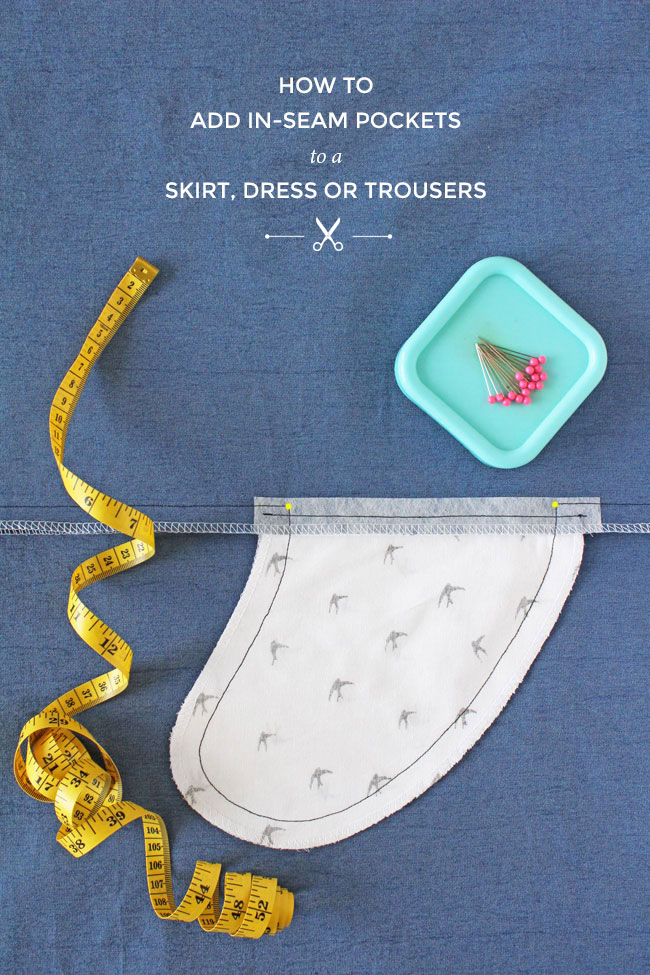
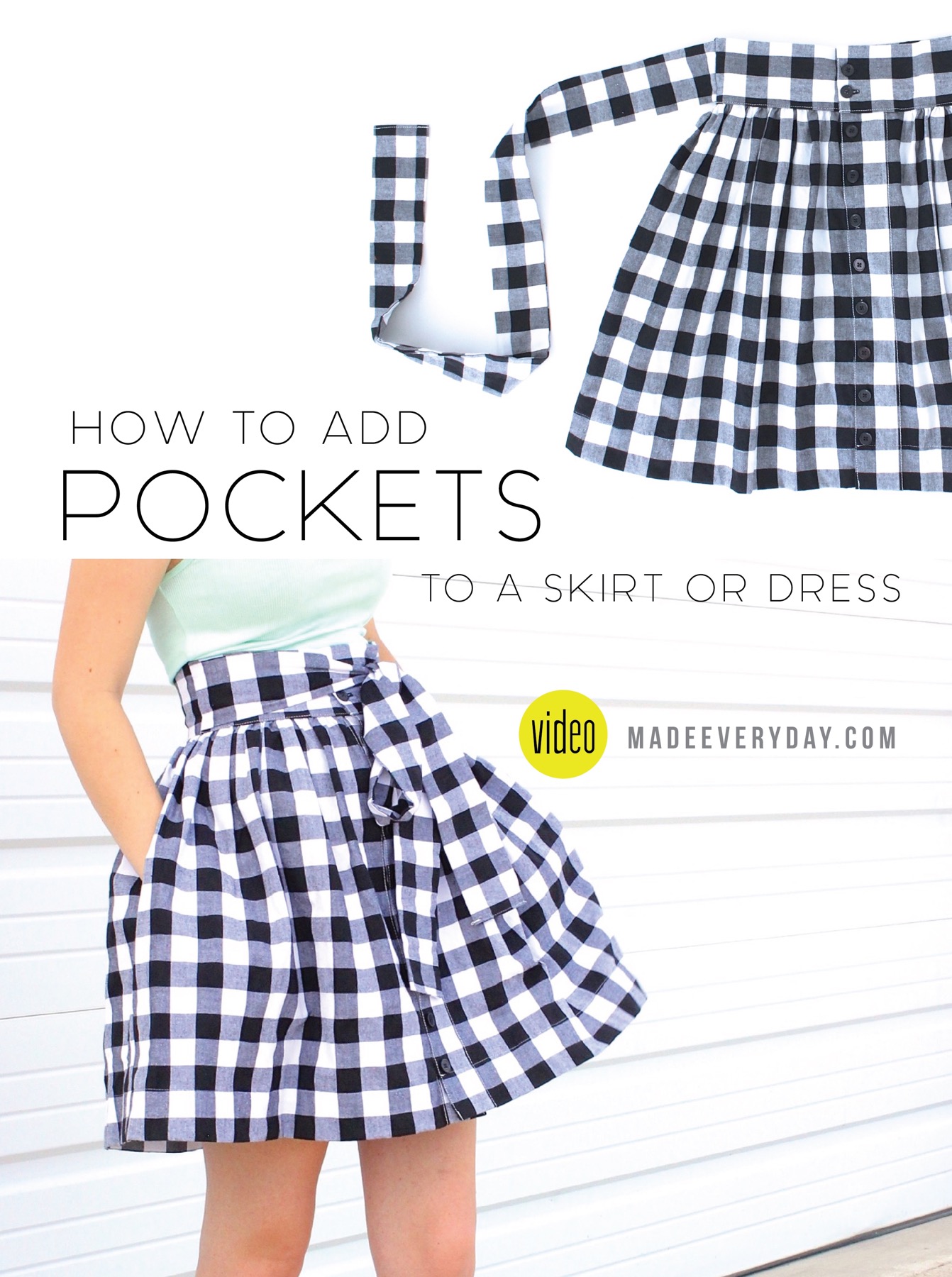
To make pockets in a skirt, first decide on the pocket style and placement. Then, cut and sew the pockets onto the skirt.
Adding pockets to a skirt enhances its functionality and style. Pockets provide a convenient place to store small items like keys, phones, and money. Many skirts do not come with pockets, so learning to add them yourself can be a valuable skill.
Whether you are working with a new sewing project or updating an existing skirt, the process is straightforward and rewarding. By following simple steps, you can transform any skirt into a more practical and stylish garment. This guide will help you achieve that with ease.
Credit: inthefolds.com
Materials Needed
Creating pockets in a skirt is a fun project. You need the right materials. This guide helps you gather what you need.
Fabric And Thread
First, choose a matching fabric. It should blend with your skirt. Use the same type of fabric as the skirt for consistency.
Next, pick the thread. It should match the fabric color. Use high-quality thread for durability. Here is what you need:
| Material | Description |
|---|---|
| Fabric | Matching or contrasting with the skirt |
| Thread | Color matching the fabric |
Tools And Accessories
You also need some tools. These tools help you cut and sew the pockets:
- Scissors: Sharp fabric scissors
- Pins: To hold fabric in place
- Sewing machine: For precise stitching
- Measuring tape: To measure fabric pieces
- Iron: To press seams
Each tool has a purpose. Using the right tool makes the job easier.
Credit: seekatesew.com
Choosing The Right Pocket Style
Choosing the right pocket style can make your skirt more functional and stylish. Different pocket styles offer unique benefits. Here are some popular pocket styles for skirts:
Patch Pockets
Patch pockets are easy to sew and add a casual look. They are sewn onto the outside of the skirt.
- Easy to sew
- Visible on the skirt
- Casual style
To make a patch pocket:
- Cut two pieces of fabric in your desired pocket shape.
- Fold and press the edges of each piece.
- Place the pocket pieces on the skirt and pin them.
- Sew around the edges of the pocket pieces.
Inseam Pockets
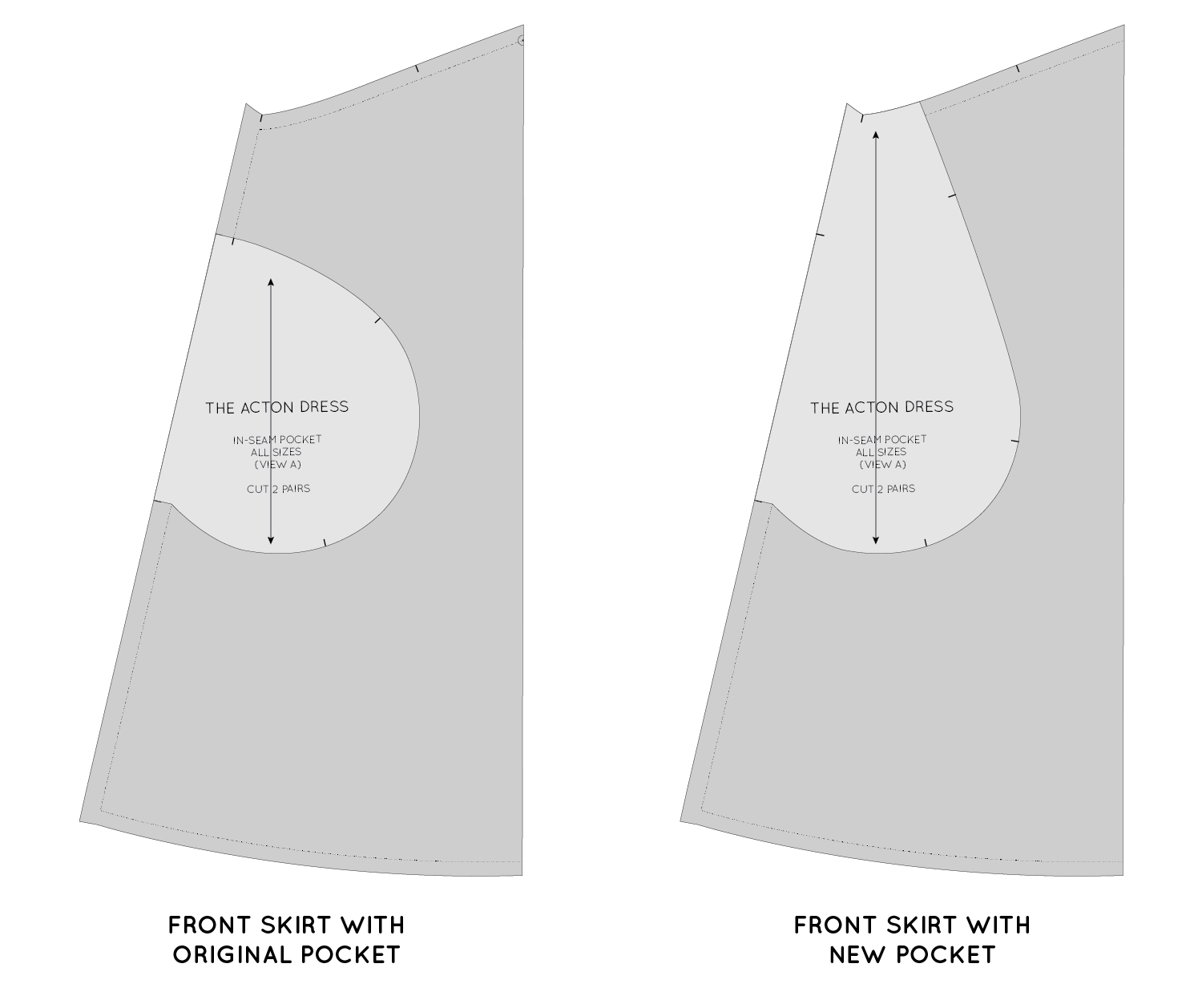
Inseam pockets are hidden in the side seams of the skirt. They are more discreet and elegant.
- Hidden in side seams
- Elegant style
- Good for lightweight fabrics
To make an inseam pocket:
- Cut four pieces of fabric for the pocket.
- Sew each pair together, leaving an opening.
- Attach the pocket pieces to the side seams of the skirt.
- Sew the side seams, including the pocket opening.
Welt Pockets
Welt pockets are stylish and professional. They require more skill to sew but look very neat.
- Stylish and professional
- More skill required
- Neat finish
To make a welt pocket:
- Mark the pocket placement on the skirt.
- Cut a rectangular opening for the pocket.
- Sew a pocket piece to the inside of the opening.
- Fold and press the fabric to create a neat finish.
Each pocket style has its own charm. Choose the one that suits your skirt best.
Preparing The Skirt
Adding pockets to a skirt can make it both stylish and practical. Preparing the skirt is a crucial first step in this process. It involves measuring, marking, and cutting the fabric accurately. Follow these steps to ensure your pockets fit perfectly.
Measuring And Marking
First, measure where you want the pockets. Use a measuring tape to find the exact spot.
- Mark the spot with chalk or a fabric marker.
- Ensure both sides of the skirt are marked equally.
- Check the height and angle of the marks.
Accurate measurements will help you create uniform pockets. This step is critical for balance and symmetry.
Cutting The Fabric
Once you’ve marked the spots, it’s time to cut the fabric. Follow these steps:
- Lay the skirt flat on a cutting surface.
- Use sharp fabric scissors to cut along the marked lines.
- Make sure the cuts are clean and straight.
Cutting the fabric precisely ensures the pockets fit well. Double-check your cuts to avoid mistakes.
By preparing the skirt properly, you set the stage for perfect pockets. These steps are simple but essential for a smooth sewing experience.
Credit: www.madeeveryday.com
Creating Pocket Patterns
Adding pockets to a skirt can be a game-changer. It makes the skirt more functional and stylish. Learning how to create pocket patterns is the first step. This section will guide you through drawing and cutting the pattern pieces.
Drawing The Pattern
Start by measuring the size of the pocket you want. Use a piece of paper to draw a rectangle. This will be the main part of your pocket. Make sure to add an extra inch on all sides for seam allowance.
Next, draw the shape of the pocket opening. It can be a curve or a straight line. This will be the part where you put your hand in. Make sure it’s big enough for your hand to fit comfortably.
Here is a simple table to help you remember the measurements:
| Part | Measurement |
|---|---|
| Rectangle | Desired size + 1 inch |
| Pocket Opening | Big enough for your hand |
Cutting The Pattern Pieces
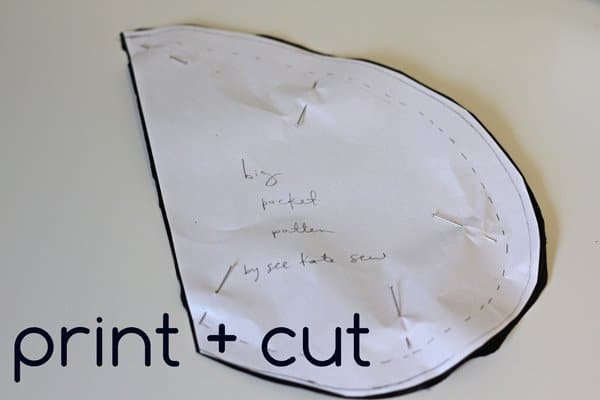
Place your pattern paper on the fabric. Use pins to hold it in place. Carefully cut around the pattern. Make sure to cut two pieces for each pocket.
After cutting, mark the seam allowances on the fabric. This will help you when sewing the pockets. Use tailor’s chalk or a fabric marker.
Remember to cut a notch on the top edge of the pocket. This will help you align the pocket when sewing it to the skirt.
Now you have your pocket pieces ready. You can move on to sewing them into your skirt!
Sewing The Pockets
Sewing pockets into a skirt can elevate its functionality and style. This guide will break down the process into simple steps. From assembling the pocket pieces to attaching them to the skirt, you’ll find everything you need here.
Assembling Pocket Pieces
Start by cutting out the pocket pieces from your fabric. You will need four pieces in total. Make sure each piece is the same size and shape.
Next, place two pocket pieces right sides together. Pin around the edges to keep them in place. Use a sewing machine to stitch around the edges, leaving the top open.
Repeat this process with the other two pocket pieces. Now you have two complete pockets, ready to be attached to your skirt.
Attaching Pockets To The Skirt
First, decide where you want your pockets to be. Mark these spots on the inside of the skirt with chalk.
Next, pin one pocket to the skirt along the marked line. Make sure the right side of the pocket faces the right side of the skirt.
Use your sewing machine to stitch the pocket to the skirt along the marked line. Repeat this step for the other pocket.
Finally, sew the side seams of the skirt, making sure to include the pocket seams. This will ensure the pockets lie flat and are secure.
Finishing Touches
Adding pockets to a skirt is an exciting project. The final touches bring it all together. These steps make the pockets look neat and professional.
Topstitching
Topstitching adds a nice finish to your pockets. It makes them more durable. Follow these steps:
- Set your sewing machine to a straight stitch.
- Choose a matching or contrasting thread.
- Sew around the pocket edges, about 1/8 inch from the seam.
- Keep your stitches even and straight.
Topstitching not only looks good. It also keeps the pocket fabric from stretching.
Pressing The Seams
Pressing the seams is an important step. It ensures your pockets lay flat and look crisp.
- Set your iron to the appropriate temperature for your fabric.
- Press the pocket seams open on the inside of the skirt.
- Then, press the pockets from the outside.
- Use a pressing cloth to protect delicate fabrics.
Pressing makes a big difference. It gives your skirt a polished, professional appearance.
Troubleshooting Common Issues
When making pockets in a skirt, you might face some issues. Common problems include uneven seams and puckering fabric. Let’s dive into how to troubleshoot these issues.
Uneven Seams
Uneven seams can make your skirt look unprofessional. To fix this problem, follow these tips:
- Use a Ruler: Measure your seams carefully before sewing.
- Pin the Fabric: Secure the fabric with pins to keep it in place.
- Check the Tension: Adjust your sewing machine’s tension settings.
For more precise seams, sew slowly. Take your time to ensure everything lines up. If needed, use a seam ripper to correct any mistakes.
Puckering Fabric
Puckering fabric can ruin the appearance of your skirt pockets. Here are some tips to avoid this issue:
- Choose the Right Needle: Use a needle suitable for your fabric type.
- Adjust the Stitch Length: Set a longer stitch length to prevent puckering.
- Press the Fabric: Iron the fabric before sewing to smooth it out.
If puckering still occurs, try these additional steps:
- Re-Sew the Seam: Remove the stitches and sew again with adjusted settings.
- Use a Walking Foot: This can help feed the fabric evenly.
By following these tips, you can create beautiful, functional pockets in your skirt. Happy sewing!
Styling Tips
Adding pockets to a skirt can elevate your fashion game. This section offers styling tips to make your skirt look fabulous.
Coordinating Fabrics
Choosing the right fabric is crucial. Match the pocket fabric with the skirt. Use similar textures to maintain a cohesive look. For instance, if your skirt is cotton, choose a cotton fabric for the pockets.
If you want a contrasting look, use a different fabric. This can add a playful element to your skirt. For example, a solid skirt with floral pockets can be a fun mix.
| Skirt Fabric | Suggested Pocket Fabric |
|---|---|
| Cotton | Cotton, Linen |
| Denim | Cotton, Chambray |
| Silk | Silk, Satin |
Choosing Thread Colors
The thread color can make or break your project. Match the thread color with the skirt fabric. This creates a seamless look.
For a bold statement, choose a contrasting thread color. This can highlight the pocket stitching. For example, use white thread on a black skirt.
- Matching Thread: Blends with the fabric.
- Contrasting Thread: Stands out and adds flair.
Consider the overall color scheme of your outfit. This ensures everything looks put together.
Conclusion
Adding pockets to a skirt is a simple yet rewarding skill. It enhances both style and functionality. Follow our easy steps to create beautiful, practical pockets. Enjoy the convenience of carrying essentials without compromising on fashion. Start your sewing journey today and transform your skirts effortlessly.
Happy sewing!


Leave a Reply