
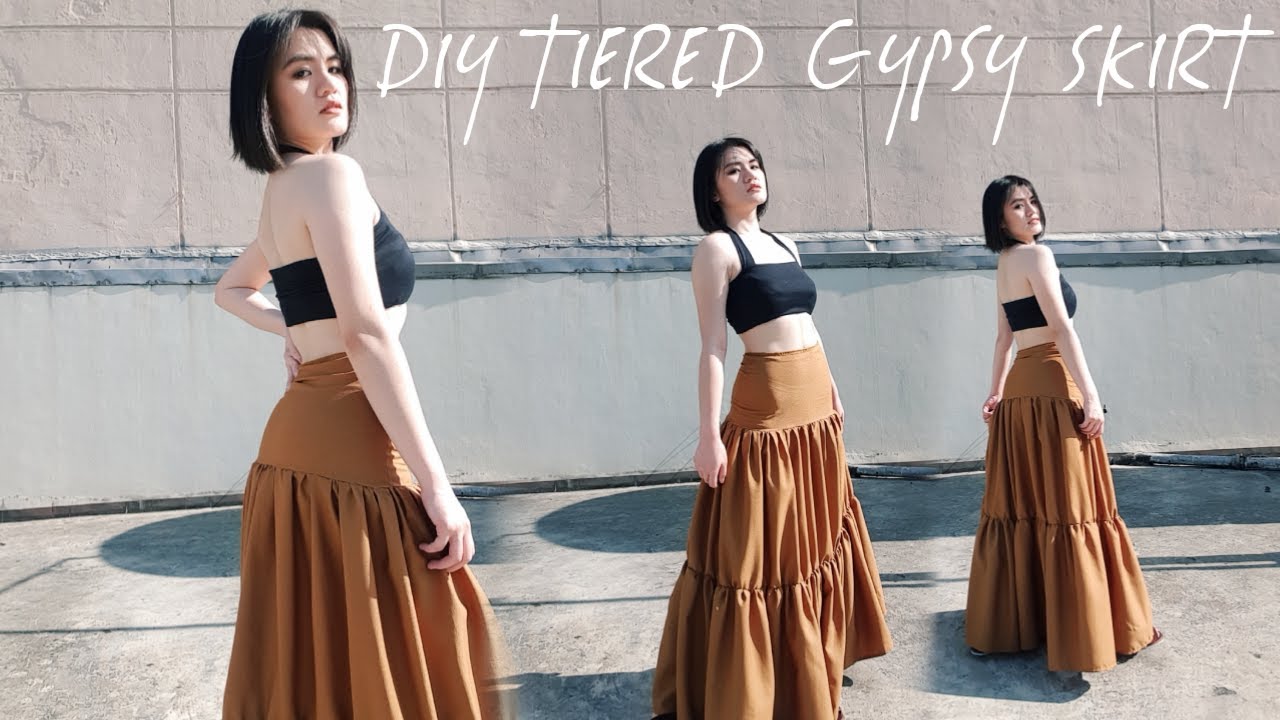
To make a gypsy skirt, gather fabric, measure your waist, and cut the fabric into panels. Sew the panels together, add elastic, and hem the bottom.
Creating a gypsy skirt is a delightful DIY project. This bohemian-style skirt is known for its flowing, layered appearance and vibrant patterns. The process involves basic sewing skills and can be completed in a few hours. You need fabric, elastic, a sewing machine, and basic sewing tools.
Choose a fabric that drapes well, such as cotton or rayon. Measure your waist and desired skirt length before cutting the fabric into panels. The elastic waistband ensures comfort and a perfect fit. Hemming the bottom adds a polished finish. This skirt is versatile, perfect for casual outings or festive occasions.

Credit: www.thestitchsisters.co.uk
Choosing The Fabric
Crafting your own gypsy skirt begins with choosing the right fabric. The fabric you select will influence the look, feel, and drape of your skirt. Making the right choice is crucial for a successful project.
Selecting The Right Material
Cotton is a popular choice for gypsy skirts. It is lightweight and breathable, making it perfect for summer wear. Rayon is another great option. It has a nice drape and adds a touch of elegance.
If you prefer something more luxurious, consider silk. Silk feels smooth against the skin and offers a beautiful flow. For a bohemian vibe, chiffon is also an excellent choice. It is light, airy, and gives a whimsical appearance.
| Fabric Type | Characteristics |
|---|---|
| Cotton | Lightweight, breathable, easy to sew |
| Rayon | Soft, drapey, versatile |
| Silk | Luxurious, smooth, elegant |
| Chiffon | Airy, light, whimsical |
Considering The Length And Width
The length and width of the fabric affect the final look. A wider fabric allows for more gathers, creating a fuller skirt. Standard fabric widths are 44 inches and 60 inches.
For a knee-length gypsy skirt, you need about 2 to 3 yards of fabric. For a full-length skirt, you may need up to 4 yards. Measure your waist and desired skirt length to determine the exact amount.
- Measure your waist.
- Decide the desired length of your skirt.
- Calculate the amount of fabric needed.
Remember to account for seam allowances and hems. These are small details that make a big difference.
Taking Measurements
Creating a gypsy skirt starts with taking accurate measurements. This ensures the skirt fits perfectly. Proper measurements help in cutting the fabric correctly. This section covers the essential steps to take precise measurements.
Measuring The Waist
First, measure the waist to ensure a snug fit. Use a flexible measuring tape. Wrap it around the smallest part of your waist. Stand straight and breathe normally.
- Ensure the tape is parallel to the floor.
- Keep the tape snug but not tight.
- Note the measurement in inches or centimeters.
Determining The Skirt Length
Next, determine the desired length of the skirt. Use the measuring tape again. Start from the waistline and measure down to the desired length. This could be knee-length, mid-calf, or ankle-length.
- Decide where you want the skirt to end.
- Measure from the waist to that point.
- Write down the measurement for reference.
These measurements are crucial for a well-fitting gypsy skirt. They ensure the skirt is both comfortable and stylish.
Cutting The Fabric
Cutting the fabric is an essential step in making a gypsy skirt. This stage ensures that your skirt has the right shape and fit. Accurate cutting leads to a beautiful and flowing skirt.
Creating The Skirt Panels
To start, measure your waist and desired skirt length. Divide your waist measurement by 3. This gives the width for each panel. For example, if your waist is 30 inches, each panel will be 10 inches wide.
Next, decide the number of tiers you want. Each tier should be longer than the one above. Use the following table for reference:
| Tier | Width Increase |
|---|---|
| Top | Original Width |
| Middle | 1.5 times Top Tier |
| Bottom | 2 times Top Tier |
Cut the fabric for each tier using these measurements. Remember to add an extra inch for seam allowance. Carefully cut each panel to ensure accuracy.
Cutting The Waistband
Measure your waist again for the waistband. Add 2 inches to your waist measurement. This allows room for fastening. The waistband width should be around 4 inches. This will fold over for strength and comfort.
Use a straight edge to mark the waistband on your fabric. Cut along the marked line. Double-check the length and width before proceeding.
Lastly, press the fabric with an iron. This ensures clean edges and easy sewing later.
Follow these steps to cut the fabric for your gypsy skirt. Accurate cutting leads to a stunning and well-fitting skirt.

Credit: www.sparklybelly.com
Sewing The Panels
Creating a gypsy skirt begins with sewing the panels. This part is essential for achieving the flowing look. Follow these steps to stitch the panels correctly.
Stitching The Panels Together
First, arrange your fabric panels side by side. Match the edges precisely. Use pins to keep them aligned. Next, sew the panels together with a straight stitch. Make sure to backstitch at the start and end. This will secure the seams.
Maintain a consistent seam allowance of about 1/2 inch. This will ensure even seams. Press the seams open with an iron. This helps to keep the fabric flat and neat.
Repeat the process for each panel. Soon, you’ll see your skirt take shape. Remember, neat stitching is key to a beautiful gypsy skirt.
Adding Elastic For Waistband
After sewing the panels, focus on the waistband. Measure your waist and cut an elastic band to fit. Add an extra inch for overlap. Insert the elastic into the waistband casing. Make sure it’s evenly distributed.
Sew the ends of the elastic together securely. Close the casing by stitching the opening shut. Ensure the elastic is snug but comfortable around your waist.
| Steps | Details |
|---|---|
| Step 1 | Measure your waist and cut the elastic band. |
| Step 2 | Insert the elastic into the waistband casing. |
| Step 3 | Sew the ends of the elastic together. |
| Step 4 | Stitch the casing shut. |
Now your gypsy skirt is almost ready. You just need to hem the bottom edge. Enjoy wearing your handmade skirt!
Adding Embellishments
Adding embellishments to a gypsy skirt can make it truly unique. The right embellishments can transform a simple skirt into a stunning piece. Here are some creative ways to add flair to your gypsy skirt.
Incorporating Ruffles Or Lace
Ruffles and lace bring texture and charm to a gypsy skirt. To start, choose fabric that complements your skirt.
- Cut strips of lace or fabric for ruffles.
- Hem the edges to prevent fraying.
- Gather the fabric by sewing a long stitch along one edge.
- Pull the thread to create ruffles.
- Sew the ruffles or lace to the skirt’s hem or tiers.
Use contrasting colors to make the embellishments pop. Experiment with different lace patterns for a unique look.
Attaching Decorative Trims
Decorative trims add an instant touch of elegance. Trims come in various styles, such as beaded, sequined, or embroidered.
- Measure the length of the skirt’s hem or tier.
- Cut the trim to match this length.
- Pin the trim in place to ensure it aligns well.
- Sew the trim using a matching thread color.
Consider using trims with different textures for added interest. Layering trims can also create a rich, decorative effect.
| Material | Use |
|---|---|
| Lace | Edges and tiers |
| Beaded Trim | Hems and waistbands |
| Sequined Trim | Accents and highlights |
Choosing the right embellishments will give your gypsy skirt a personal touch. Happy sewing!
Finishing Touches
Congratulations on reaching the final stage of making your gypsy skirt! The finishing touches give your skirt a polished look. Let’s dive into the steps that will transform your creation into a wearable piece of art.
Hemming The Skirt
Hemming the skirt is crucial for a neat finish. Start by folding the fabric edge up by half an inch. Press it flat with an iron.
Fold the edge up again by one inch. Press and pin it in place. Sew along the folded edge using a straight stitch. Ensure you sew all around the hem.
This double fold keeps the hem from fraying. Your skirt will look professional and tidy.
Adding A Drawstring Or Buttons
Adding a drawstring or buttons can make your skirt more adjustable and stylish. To add a drawstring, create a casing at the top of the skirt.
Fold the fabric down by two inches. Sew along the bottom edge, leaving a small gap. Thread a drawstring through the casing using a safety pin. Tie the ends of the drawstring to prevent it from slipping out.
If you prefer buttons, sew them along the waistband. Space them evenly for a balanced look. Make corresponding buttonholes on the opposite side. Use a buttonhole foot on your sewing machine for neat holes.
Both options provide a custom fit and an added flair to your gypsy skirt.
Customizing The Design
Customizing the design of your gypsy skirt adds a personal touch. It allows you to create a unique piece that reflects your style. This section will guide you through different ways to customize your gypsy skirt.
Experimenting With Patterns
Choose a pattern that suits your taste. Floral, geometric, or abstract patterns work well. Mix different patterns for a bold look. Use a table to decide on pattern combinations:
| Pattern 1 | Pattern 2 | Combined Look |
|---|---|---|
| Floral | Stripes | Bohemian |
| Polka Dots | Geometric | Modern |
| Abstract | Animal Print | Edgy |
Experiment with fabric textures too. Combine silk, cotton, and lace for variety. This adds depth and interest to your skirt.
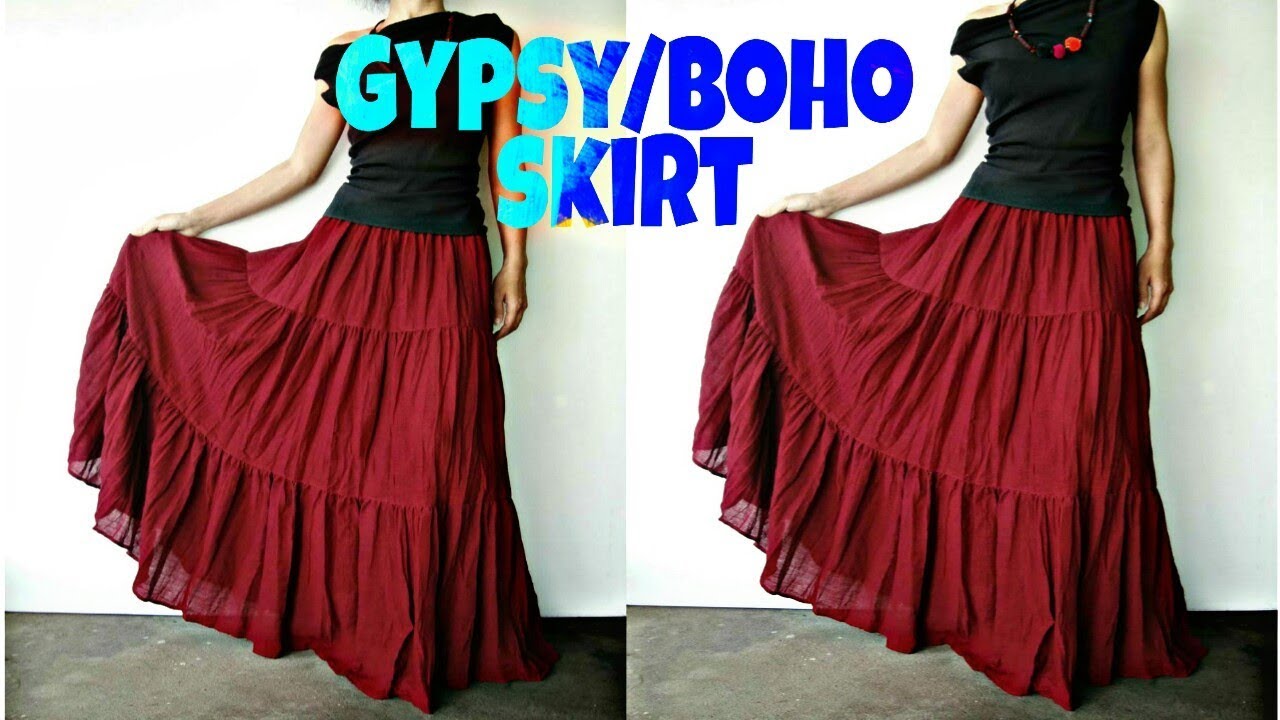
Creating Tiered Layers
Tiered layers add volume and movement to your skirt. Start with a base layer. Add additional layers of fabric on top.
- Measure the length of each layer.
- Cut the fabric accordingly.
- Attach each layer starting from the bottom.
Use different colors for each layer. This creates a vibrant and eye-catching design. Ensure each layer is slightly longer than the previous one. This gives the skirt a cascading effect.
- Layer 1: Base layer, solid color.
- Layer 2: Contrasting color or pattern.
- Layer 3: Light, airy fabric like chiffon.
Adding ruffles or lace to the edges of each layer enhances the look. This makes your gypsy skirt truly unique.
Credit: m.youtube.com
Styling And Wearing
Learning how to style and wear your gypsy skirt can be exciting. It’s important to know how to pair it with the right tops and accessories. This ensures you look fabulous every time you step out.
Pairing With Bohemian Tops
Gypsy skirts look great with bohemian tops. Think about loose, flowy blouses with intricate patterns. Crop tops can also be a good choice. They balance the volume of the skirt.
Consider these options:
- Flowy white blouses
- Patterned off-shoulder tops
- Simple crop tops
Always choose tops that match the color and style of your skirt.
Accessorizing With Jewelry And Scarves
Accessories bring out the beauty of your gypsy skirt. Jewelry and scarves are key items to consider.
| Accessory | Recommendation |
|---|---|
| Necklaces | Layered necklaces with beads or pendants |
| Bracelets | Stacked bangles or cuffs |
| Scarves | Light, colorful scarves that match your skirt |
Choose accessories that complement the colors and patterns of your skirt. Avoid over-accessorizing. Keep it simple and elegant.
Conclusion
Crafting a gypsy skirt can be a rewarding project. Follow the steps, and you’ll create a stunning piece. With the right materials and a bit of patience, your gypsy skirt will be a unique addition to your wardrobe. Enjoy the process and wear your creation with pride.


Leave a Reply