
Top construction fabrics include cotton, polyester, wool, and silk, each requiring specific care to ensure longevity and sustainability. These materials vary widely in environmental impact and maintenance needs.
Understanding the fabric types used in top-tier garment construction is crucial for both designers and consumers. Cotton is prized for its breathability and versatility, yet it demands significant water for growth, raising sustainability concerns.
Polyester offers durability and wrinkle resistance, but as a synthetic, its production can be energy-intensive and it is not biodegradable.
Wool provides excellent insulation and is renewable, although it requires careful washing to avoid damage. Silk adds a luxurious feel and shine, yet it typically needs gentle hand washing and is resource-intensive to produce.
By considering these factors, individuals can make informed decisions about garment purchases and care practices, contributing to a wardrobe that is both sophisticated and environmentally conscious.
The Fabric Foundations Of Top Construction
Fabric choice is crucial in creating high-quality apparel. It influences durability, comfort, and style. Understanding different fabrics helps to ensure proper garment care and promotes sustainability. This section explores the textiles that bring fashion to life.
Varieties Of Textiles In Apparel
The fashion industry uses countless textiles. Each brings unique properties and aesthetics to clothing. Let’s explore some popular types of fabrics used in top construction:
- Cotton: Breathable and versatile.
- Wool: Warm and durable.
- Silk: Luxurious and smooth.
- Linen: Lightweight and cool.
- Polyester: Wrinkle-resistant and strong.
- Nylon: Elastic and quick-drying.
Each fabric requires specific care instructions. This ensures longevity and maintains the quality.
Natural Vs. Synthetic Fabrics
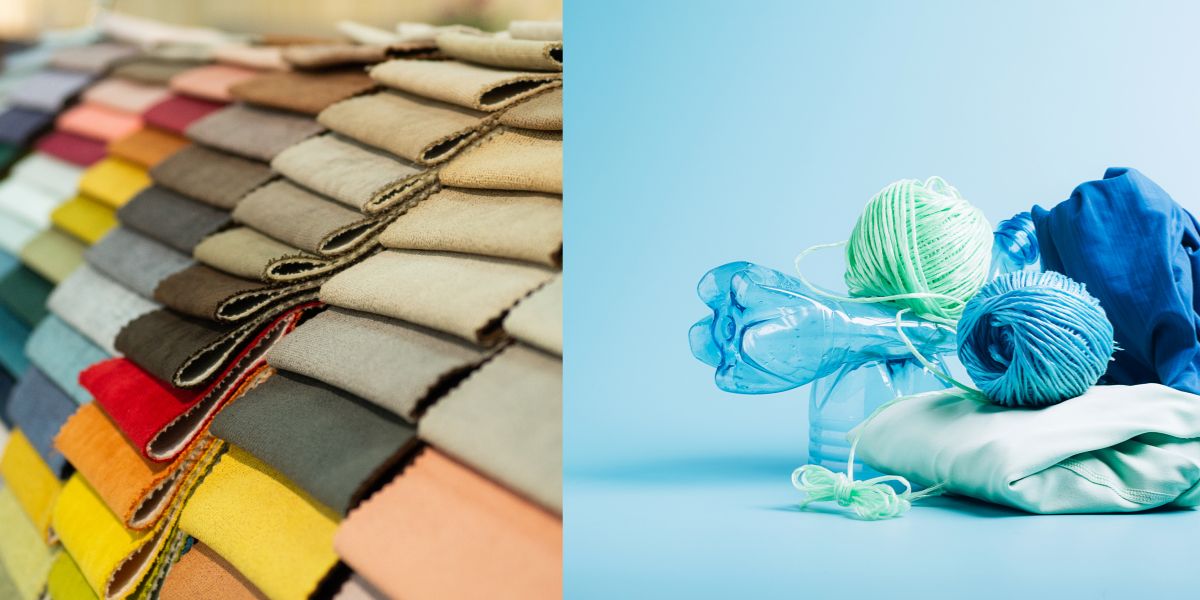
Understanding the difference between natural and synthetic fabrics is essential for both care and environmental impact.
| Natural Fabrics | Synthetic Fabrics |
|---|---|
| Derived from plants and animals. | Made from man-made chemicals. |
| Care: Often require gentle washing. | Care: More tolerant to varied washing temperatures. |
| Sustainability: Biodegradable but may need large resources to produce. | Sustainability: Less resource-intensive but may release microplastics. |
Choosing the right type of fabric can make a difference in garment longevity and environmental footprint.
Cotton: The Classic Choice
Cotton threads weave through the fabric of apparel history as a timeless staple. Breathable, soft, and versatile, cotton stands as a favorite in wardrobe collections worldwide. A natural fiber that grows from cotton plants, its widespread availability means it’s seen in everything from t-shirts to high-fashion garments.
Properties And Popularity
Cotton fabric boasts characteristics that have cemented its status in the fashion industry:
- Comfort: Cotton feels soft on the skin.
- Breathability: It allows air circulation, keeping wearers cool.
- Moisture control: Cotton absorbs moisture, making it comfortable, even in heat.
- Durability: It can withstand numerous washes, lasting years.
- Hypoallergenic: Rarely causes allergies, ideal for sensitive skin.
- Print-friendly: Cotton holds prints and patterns well.
This blend of traits explains why cotton apparel is everywhere, from basics to couture.
Maintenance Instructions
To maintain cotton’s look and feel, follow these care tips:
| Washing | Drying | Ironing |
|---|---|---|
| Use gentle cycles with cold or warm water. | Tumble dry on low, or air dry to preserve fibers. | Iron while damp on a medium-high setting. |
- Avoid bleach: It weakens fibers over time.
- Separate colors: To prevent dye transfer.
- Use mild detergents: Harsh chemicals can damage the fabric.
Proper care extends the life of cotton garments, making them sustainable choices in your closet. Remember to always check the label for specific instructions.
The Rise Of Polyester
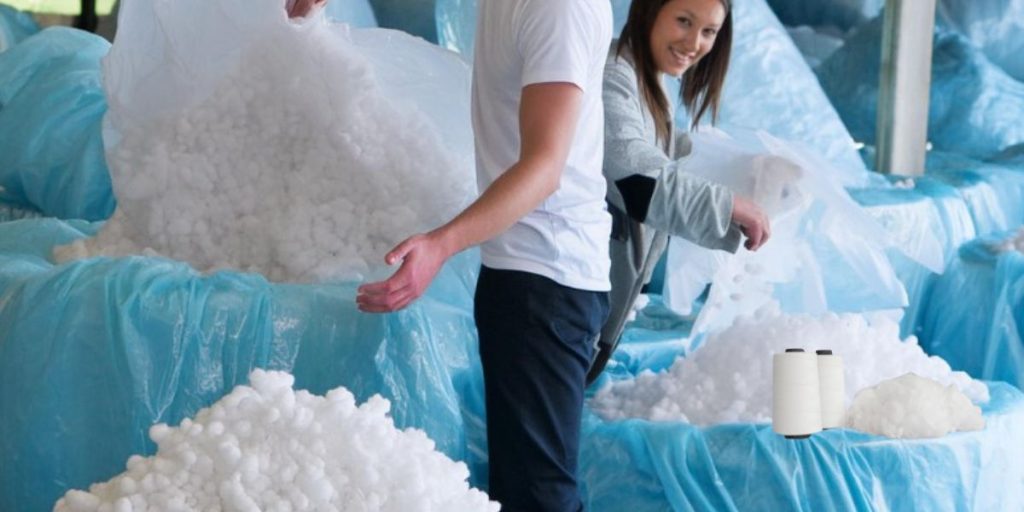
Polyester has emerged as a champion in the textile industry. It blends durability with cost-effectiveness. Fashion brands extensively use it to produce a myriad of clothing items, especially tops. As a synthetic fabric, its properties make it versatile for different uses and climates. This material is lightweight, resilient, and can mimic natural fibers. Polyester’s popularity soars due to its low-cost maintenance and long-lasting nature.
Benefits And Usage
- Durable: Polyester tops can withstand wear and tear.
- Wrinkle-resistant: Clothes stay smooth with minimal ironing.
- Quick-drying: Ideal for active or outdoor wear.
- Versatile: Blends well with other fabrics for diverse textures.
- Color retention: Vibrant shades last through washes.
Designers often choose polyester for both casual and formal garments. Its ability to hold shape makes it perfect for structured tops. The fabric is also common in sportswear due to its moisture-wicking properties.
Care Recommendations
Proper care extends the life of polyester garments. It ensures they remain in pristine condition.
| Washing | Drying | Ironing |
|---|---|---|
| Use cool water and gentle detergents. | Tumble dry on low or air-dry. | Use a low-heat setting if necessary. |
Always check the label for specific care instructions. Avoid using bleach, as it can damage polyester fibers. Fabric softeners are not needed since polyester is already soft.
Sustainability in textiles has gained attention. Polyester, made from petroleum, faces scrutiny. Yet, innovations lead to recycled polyester, reducing plastic waste. Brands now take steps to use this eco-friendlier version. Polyester’s long lifespan also means less need for frequent replacements.
As consumer awareness grows, the demand for sustainable practices increases. The textile industry is adapting. It’s moving towards recycled materials like polyester. Care methods for these textiles remain simple, further enhancing their appeal.
Wool: Warmth And Elegance
When we speak of fabric nobility, wool reigns supreme with its unrivaled warmth and elegance. This ancient material has clothed humanity through millennia, offering a blend of comfort and luxury. With sustainability now at the forefront of fashion, wool’s natural qualities make it a perfect fit for eco-conscious wardrobes.
Characteristics Of Wool
Wool’s unique attributes are well-appreciated in high fashion and daily wear.
- Insulation: Keeps you warm in winter and cool in summer.
- Durability: Resists wear and tear, lasting for years.
- Resilience: Returns to original shape after stretching.
- Fire-resistant: Naturally flame-retardant without chemical treatment.
- Breathability: Wicks moisture away to keep skin dry.
- Anti-microbial: Resists odors and stains, staying fresh longer.
- Biodegradable: Breaks down naturally, reducing environmental impact.
Wool Garment Care
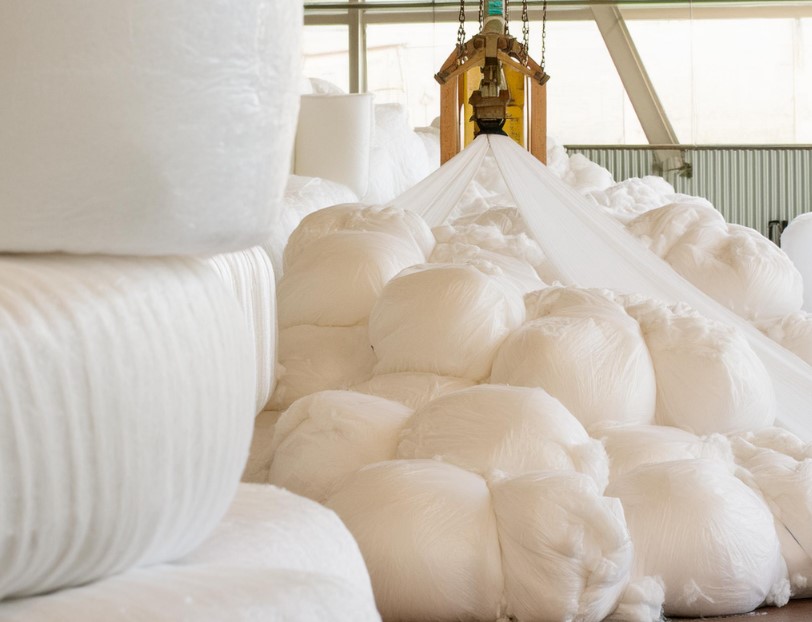
Proper care extends the life of wool garments, maintaining their elegance.
| Action | Care Tips |
|---|---|
| Cleaning | Hand wash or use wool cycle with wool-safe detergent. |
| Drying | Lay flat on towel away from direct heat or sunlight. |
| Ironing | Use steam iron on wool setting to remove wrinkles. |
| Storing | Store in breathable bag with cedar or lavender to deter moths. |
Statements like “Dry clean only” are common on wool tags, yet many wool items can be carefully washed at home. Always check the label and test for colorfastness.
A little effort in care ensures wool stays luxurious and impact on nature remains minimal.
Silk: Luxury And Delicacy
Silk symbolizes luxury and grace in fashion. Its natural sheen, softness, and durability make it a prized fabric for top-tier garments. Beyond its aesthetic appeal, silk is a refined symbol of sustainable fashion when sourced and produced responsibly.
Understanding Silk Quality
High-quality silk starts with meticulous production. Look for these indicators for premium silk:
- Momme Weight: Higher numbers mean more durability and luxury.
- Fiber Purity: 100% pure silk offers superior feel and longevity.
- Weave Technique: Tighter weaves like charmeuse guarantee a smoother surface.
Always check for a certification such as OEKO-TEX, ensuring no harmful substances.
Specialized Silk Care
To maintain silk’s elegance, follow these care tips:
- Hand-wash or use a gentle machine cycle with cold water.
- Avoid harsh chemicals; use a delicate detergent.
- Dry flat out of direct sunlight, and use low heat when ironing.
Proper storage is key: hang silk garments or lay them flat in a cool, dry place.
Innovative Fabrics And Blends
Exploring the world of innovative fabrics and blends unveils a realm where technology and sustainability intersect. Modern garments no longer rely on traditional materials alone. They feature progressive fabrics designed for better durability, comfort, and ecological harmony. Let’s dive into the fabric innovations shaping today’s fashion.
Modern Textile Advances
Advances in textiles have revolutionized the way we dress and care for our clothes. Smart fabrics integrate performance with wearability. Some innovations include:
- Moisture-wicking materials that keep you dry.
- Thermo-regulating fabrics that adapt to temperature.
- Recycled fibers that reduce waste.
- Biodegradable textiles that minimize environmental impact.
Durable synthetics like polyester are now often blended with natural fibers for enhanced functionality. These composite materials offer the best of both worlds: the comfort of cotton or wool combined with the strength and resilience of synthetic threads.
Caring For Mixed Materials
While these new fabrics are innovative, they often require special care. Follow these tips:
- Always read the care label.
- Use mild detergents and avoid harsh chemicals.
- Wash on a gentle cycle with similar fabrics.
- Air-dry when possible to retain fabric integrity.
Mixed material garments may also benefit from special treatments. For instance, water-repellent coatings can extend the life and performance of outdoor gear.
Embracing these innovative fabrics and caring for them properly means that your clothes will look newer for longer. It also means supporting the sustainable practices that our planet desperately needs.
Embarking On Sustainable Fashion
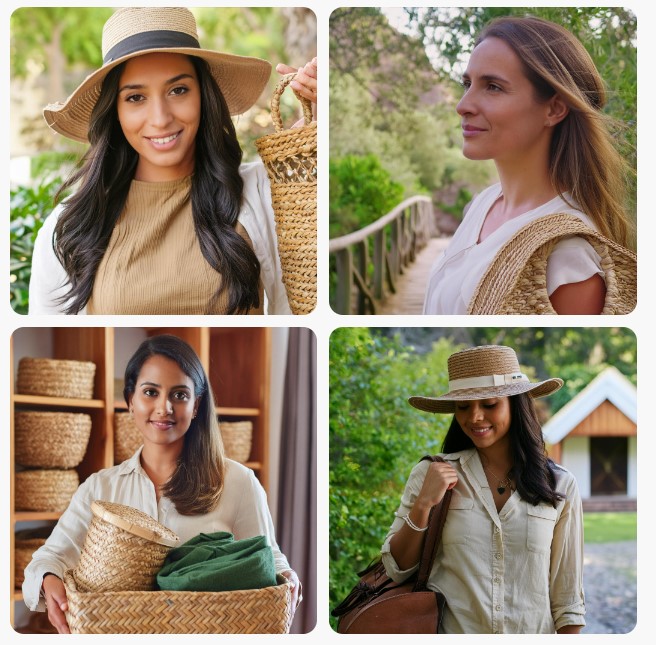
Imagine clothes that love the earth as much as you do. Welcome to ‘Embarking on Sustainable Fashion’, where every thread counts towards a healthier planet. Let’s unravel the story of fabrics that not only look good but do good.
Eco-friendly Fabric Options
Sustainable fabrics are revolutionizing wardrobes worldwide.
- Organic Cotton: Grown without harmful chemicals, conserving water.
- Bamboo: Rapidly renewable, biodegradable, and requires less water.
- Tencel: Sourced from wood, this fabric is produced through a closed-loop process.
- Hemp: Needs minimal water, replenishes soil, and is incredibly durable.
- Recycled Materials: Giving new life to plastic bottles and textile waste.
Care tips: Use cold water, eco-friendly detergents, and air dry. This extends the life of the fabrics and conserves energy.
Sustainability In Textile Production
Textile production can be a clean affair. The industry is shifting towards practices that reduce impact.
| Practice | Benefit |
|---|---|
| Water Recycling | Reduces freshwater use |
| Renewable Energy | Decreases carbon footprint |
| Biodegradable Dyes | Minimizes toxic runoff |
| Low-Waste Cutting | Reduces fabric scrap |
Such practices ensure a better future while fostering a new, eco-conscious approach to fashion.
Ethical Considerations In Clothing
When picking out the perfect top, many look at the color, style, and fit. Yet, the ethical side of clothing deserves attention too. The fabrics we drape ourselves in come with stories – stories of how they were made, who made them, and how long they can last. Let’s take a closer look at ethical considerations in clothing, from fair trade to the lifecycle of garments.
Fair Trade And Labor Practices
Fair trade is more than just a label on clothing. It’s a movement. It ensures the people who make our clothes work in safe conditions and receive fair wages. Here’s why that matters:
- Respect for Human Rights: Workers deserve safe jobs, breaks, and healthcare.
- Proper Wages: A fair trade label often means a fair day’s pay for a fair day’s work.
- No Child Labor: These practices ensure children stay in school, not factories.
By choosing fair trade, you’re saying “yes” to ethical labor practices and “no” to exploitation.
The Lifecycle Of Garments
The clothes we wear have lifecycles. From creation to disposal, every stage has an impact on our planet. Here’s a brief look at the stages:
- Production: This includes growing natural fibers or creating synthetic ones.
- Manufacture: This is when the fabric becomes a garment.
- Transportation: The finished clothing travels to stores and homes.
- Usage: You buy and wear the garment until it’s worn out.
- Disposal: Eventually, the garment is thrown away or recycled.
Choosing clothes with a longer lifecycle helps the planet. It means less waste, and fewer resources used. It’s about being smart with your fashion choices.
Future Of Fabrics
The world of fashion evolves rapidly, with innovative materials shaping the future of clothing. Understanding the environmental impact and technological advancements in textile creation invigorates the industry.
Let’s unravel the exciting developments pointing toward a more sustainable and technologically enriched future in fabrics.
Biodegradable And Recycled Materials
Modern fabrics now focus on reducing waste and environmental harm. Biodegradable materials decompose naturally, leaving minimal footprint.
Recycled materials repurpose waste from oceans or landfills into wearable textiles. They conserve resources and energize the circular economy.
- Organic cotton – Grown without harmful chemicals, returns to the earth safely.
- Hemp – A durable and renewable resource that minimizes water usage.
- Recycled polyester – Transforms plastic bottles into fabric, cutting down pollution.
Care for these fabrics involves cold washing, air drying, and avoiding strong detergents to prolong their life and integrity.
Technological Innovations In Textiles
Technology blends with textiles to create smart fabrics. These futuristic materials adapt to environments and offer unprecedented functionality:
| Material | Feature | Use Case |
|---|---|---|
| Conductive threads | Electrified threads allow interactive wearables. | Smart clothing that tracks health metrics. |
| Phase-changing materials | Temperature regulation for wearer comfort. | Clothes that adapt to climate changes. |
| 3D printed textiles | Customization and waste reduction in production. | Bespoke fashion with a lower carbon footprint. |
Wearable technology integrates seamlessly with daily life. Maintenance of such textiles involves careful handling as per individual care labels. Always follow specific instructions to maintain functionality.
Conclusion
Navigating the intricate world of fabric selection significantly influences your wardrobe’s quality, maintenance, and ecological impact. As we’ve unraveled the threads of fabric care and sustainability, remember these insights can empower your fashion choices. Let’s commit to a future where every thread counts towards a greener planet.
Cherish your garments and the earth they come from.


Leave a Reply