

Mary Quant invented the mini skirt in the 1960s. André Courrèges also played a significant role in popularizing it.
The mini skirt became a symbol of the 1960s fashion revolution. Mary Quant, a British designer, aimed to create youthful and liberating clothing. She designed the mini skirt to reflect the energetic spirit of the decade. André Courrèges, a French designer, also introduced short skirts in his collections around the same time.
The mini skirt quickly gained popularity among young women. It represented freedom and challenged traditional fashion norms. The mini skirt remains a timeless piece, continually reinvented in modern fashion. Both designers’ contributions made the mini skirt an enduring fashion icon.
Origins Of The Mini Skirt
The mini skirt is a fashion icon. It represents freedom and boldness. But, who invented this daring piece of clothing? Let’s dive into the origins of the mini skirt.
Early Influences
In the 1920s, fashion saw a shift. Flapper dresses became popular. They were shorter than previous styles. This was a step towards the mini skirt. In the 1950s, designers experimented with shorter hemlines. Mary Quant and André Courrèges played key roles. They pushed boundaries and changed fashion forever.
Cultural Shifts
The 1960s brought huge cultural changes. Youth culture was on the rise. People wanted to break free from old norms. The mini skirt became a symbol of rebellion. It represented a new era of freedom. Music, art, and movies also influenced fashion. Icons like Twiggy and Jean Shrimpton wore mini skirts. This made them even more popular.
| Year | Influence |
|---|---|
| 1920s | Flapper Dresses |
| 1950s | Experimentation with Hemlines |
| 1960s | Youth Rebellion and Pop Culture |
The mini skirt is more than just fashion. It’s a statement. It tells a story of change and freedom.
Mary Quant’s Contribution
Mary Quant is widely celebrated for popularizing the mini skirt. Her designs revolutionized women’s fashion in the 1960s. Quant’s contribution to fashion was significant, transforming how women dressed and expressed themselves.
Fashion Innovator
Mary Quant was a true fashion innovator. She challenged traditional norms. Her designs were bold and playful. Quant introduced new styles that were accessible and fun. She believed fashion should be affordable for everyone. Her boutique, Bazaar, became a hub for trendy clothing.
Quant’s mini skirt became a symbol of youth culture. It was daring and different. Women loved the freedom it offered. The mini skirt became a fashion statement. It represented independence and liberation.
1960s London Scene
In the 1960s, London was at the heart of cultural change. The city was vibrant and dynamic. It was a time of social revolution. Mary Quant’s designs captured the spirit of the era. Her mini skirts were perfect for the youthful energy of London.
The 1960s London scene was all about breaking boundaries. Music, art, and fashion were evolving. Quant’s mini skirts fit right into this exciting landscape. They were embraced by young women everywhere.
Quant’s influence extended beyond fashion. She helped shape the image of the modern woman. Her work is still celebrated today. The mini skirt remains a timeless piece of fashion history.
André Courrèges’ Influence
André Courrèges, a renowned French designer, played a pivotal role in popularizing the mini skirt. His innovative designs and visionary approach left a lasting impact on fashion. Let’s explore his influence through his Parisian roots and Space Age fashion contributions.
Parisian Designer
André Courrèges was a prominent Parisian designer. He studied at the École des Arts et Métiers. His career began in the 1950s, working under Cristóbal Balenciaga. Courrèges launched his own fashion house in 1961. He introduced bold, geometric designs and a modern aesthetic.
| Year | Event |
|---|---|
| 1950s | Worked under Balenciaga |
| 1961 | Founded his fashion house |
Space Age Fashion
Courrèges is known for his Space Age fashion. This style featured futuristic elements. He used materials like plastic and metal. His designs had clean lines and a minimalist look. The mini skirt became a key piece in his collections.
- Futuristic elements
- Plastic and metal materials
- Clean lines
- Minimalist look
His bold approach influenced many. He reshaped the fashion landscape. The mini skirt became a symbol of youth and freedom. Courrèges’ work remains iconic.
Debate Over The True Inventor
The debate over the true inventor of the mini skirt has intrigued fashion enthusiasts for decades. Two names dominate this debate: Mary Quant and André Courrèges. Both designers played pivotal roles in the rise of this iconic garment.
Quant Vs. Courrèges
Mary Quant is often credited with popularizing the mini skirt in the 1960s. Her designs captured the youthful spirit of the era. Quant’s mini skirts were playful and bold. They appealed to a new generation of women who sought freedom and expression.
On the other hand, André Courrèges also made significant contributions. His designs were futuristic and sleek. Courrèges’ mini skirts were part of his vision for modern women. He believed in clean lines and innovative fabrics. Both designers have loyal followers who credit them with the invention.
Historical Perspectives
Historical records show that both Quant and Courrèges introduced their versions of the mini skirt around the same time. In the early 1960s, London and Paris were fashion capitals. Both designers had influence and reach.
Mary Quant opened her boutique, Bazaar, in London in 1955. She introduced shorter hemlines in the early 1960s. Her designs quickly gained popularity among young women. Quant’s mini skirts became a symbol of the Swinging Sixties.
André Courrèges, a French designer, presented his collection in 1964. His mini skirts were part of his Space Age collection. Courrèges’ designs were innovative and forward-thinking. He used new materials like PVC and introduced geometric patterns.
| Designer | Key Contributions | Time Period |
|---|---|---|
| Mary Quant | Popularized mini skirts in the 1960s | Early 1960s |
| André Courrèges | Introduced mini skirts in his Space Age collection | 1964 |
Both designers have left a lasting legacy. The mini skirt remains a staple in fashion. The debate over its true inventor adds to its mystique and charm. Whether you favor Quant or Courrèges, the mini skirt’s impact is undeniable.
Impact On Women’s Fashion
The invention of the mini skirt had a profound impact on women’s fashion. It symbolized freedom and change. This bold garment challenged norms and redefined style.
Revolutionary Change
The mini skirt brought a revolutionary change in the fashion industry. It broke away from traditional long skirts. Women now embraced shorter hemlines with confidence. This shift represented more than just a fashion trend.
Designers started experimenting with bold designs. The mini skirt became a canvas for creativity. Different fabrics, patterns, and colors emerged. This change inspired many fashion movements.
Youth Culture
The mini skirt quickly became a symbol of youth culture. Teenagers and young women adopted this style eagerly. It became synonymous with youthful rebellion and freedom. Music and media further popularized the mini skirt.
Icons like Twiggy and Jean Shrimpton wore mini skirts. Their influence spread the trend globally. Young people saw the mini skirt as a way to express themselves. This garment played a key role in defining the 1960s youth culture.
| Impact | Description |
|---|---|
| Fashion Industry | Introduced bold and creative designs |
| Women’s Freedom | Symbolized liberation and confidence |
| Youth Culture | Became a symbol of rebellion and freedom |
The mini skirt’s impact on women’s fashion is undeniable. It remains a timeless piece. Its legacy continues to inspire new generations.

Credit: www.vam.ac.uk
Media And Popularity
The mini skirt revolutionized fashion in the 1960s. It quickly gained media attention. This garment became a symbol of freedom and rebellion. The mini skirt’s rise in popularity was driven by media coverage.
Iconic Moments
Several iconic moments helped the mini skirt become a fashion staple.
- Mary Quant showcased her designs in London.
- Twiggy, a famous model, often wore mini skirts.
- The Swinging Sixties embraced the mini skirt trend.
Celebrity Endorsements
Celebrity endorsements played a crucial role in the mini skirt’s popularity.
| Celebrity | Impact |
|---|---|
| Brigitte Bardot | Her style influenced many women. |
| Audrey Hepburn | She wore mini skirts in films. |
| Jane Birkin | Her casual style featured mini skirts. |
These celebrities made the mini skirt a global phenomenon. Their influence extended beyond fashion, shaping culture.
Cultural Backlash
The invention of the mini skirt created a significant cultural stir. The 1960s saw a revolution in fashion, and the mini skirt was at its forefront. Yet, this bold fashion statement faced intense scrutiny and criticism.
Conservative Criticism
Many conservative groups found the mini skirt offensive. They believed it was too revealing and inappropriate for public wear.
Critics argued that the mini skirt challenged traditional values. They felt it encouraged a lack of modesty and decorum. Some even linked it to moral decay in society.
The media played a role in amplifying this criticism. Newspapers and magazines often published articles condemning the mini skirt. They called it a threat to the moral fabric of society.
Fashion Rebellion
Despite the backlash, the mini skirt became a symbol of rebellion. Young women embraced it as a statement of freedom and independence.
Fashion designers saw the mini skirt as a canvas for creativity. They experimented with different fabrics, patterns, and styles. Icons like Twiggy and Mary Quant popularized the trend further.
The mini skirt represented a shift in societal norms. It signified the growing influence of youth culture. It also marked a move towards more liberal and progressive attitudes.
The mini skirt’s impact went beyond fashion. It played a role in the broader cultural revolution of the 1960s. It challenged existing norms and promoted new ideas of freedom and expression.
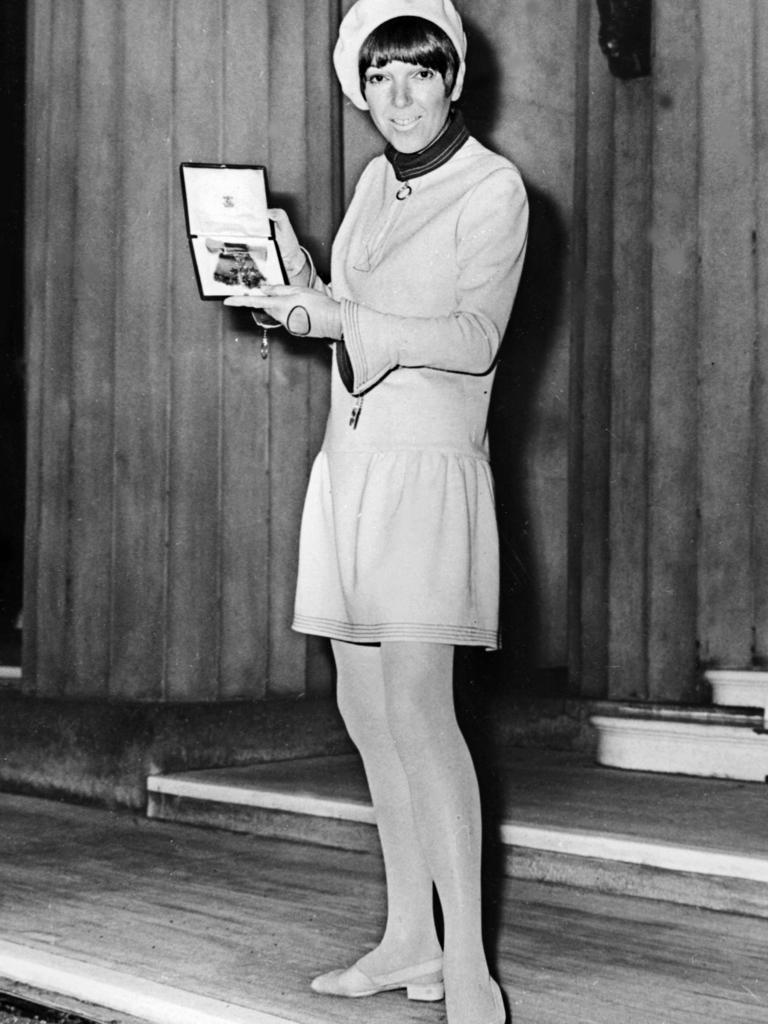
Credit: www.news.com.au
Legacy Of The Mini Skirt
The mini skirt revolutionized fashion in the 1960s. It challenged social norms and became a symbol of freedom. Its impact on fashion is undeniable.
Modern Interpretations
Today, the mini skirt is a staple in many wardrobes. Designers constantly reinterpret it, blending classic and contemporary styles.
- High-waisted mini skirts
- Denim mini skirts
- Leather mini skirts
- Patterned mini skirts
These styles showcase the versatility of the mini skirt. It fits various occasions and preferences. From casual outings to chic events, the mini skirt remains relevant.
Enduring Symbolism
The mini skirt symbolizes empowerment and rebellion. It represents a break from traditional fashion constraints. Women in the 1960s embraced it to express independence.
Celebrities and influencers often wear mini skirts. This keeps its iconic status alive. It continues to inspire new generations.
The mini skirt’s legacy endures through its boldness and adaptability. It stands as a testament to fashion’s evolving nature.

Credit: en.wikipedia.org
Conclusion
The mini skirt revolutionized fashion, thanks to designers like Mary Quant and André Courrèges. Their bold vision reshaped modern style. This iconic garment continues to inspire, proving its timeless appeal. Understanding its origins helps us appreciate fashion’s dynamic evolution. The mini skirt remains a symbol of empowerment and creativity in the fashion world.


Leave a Reply